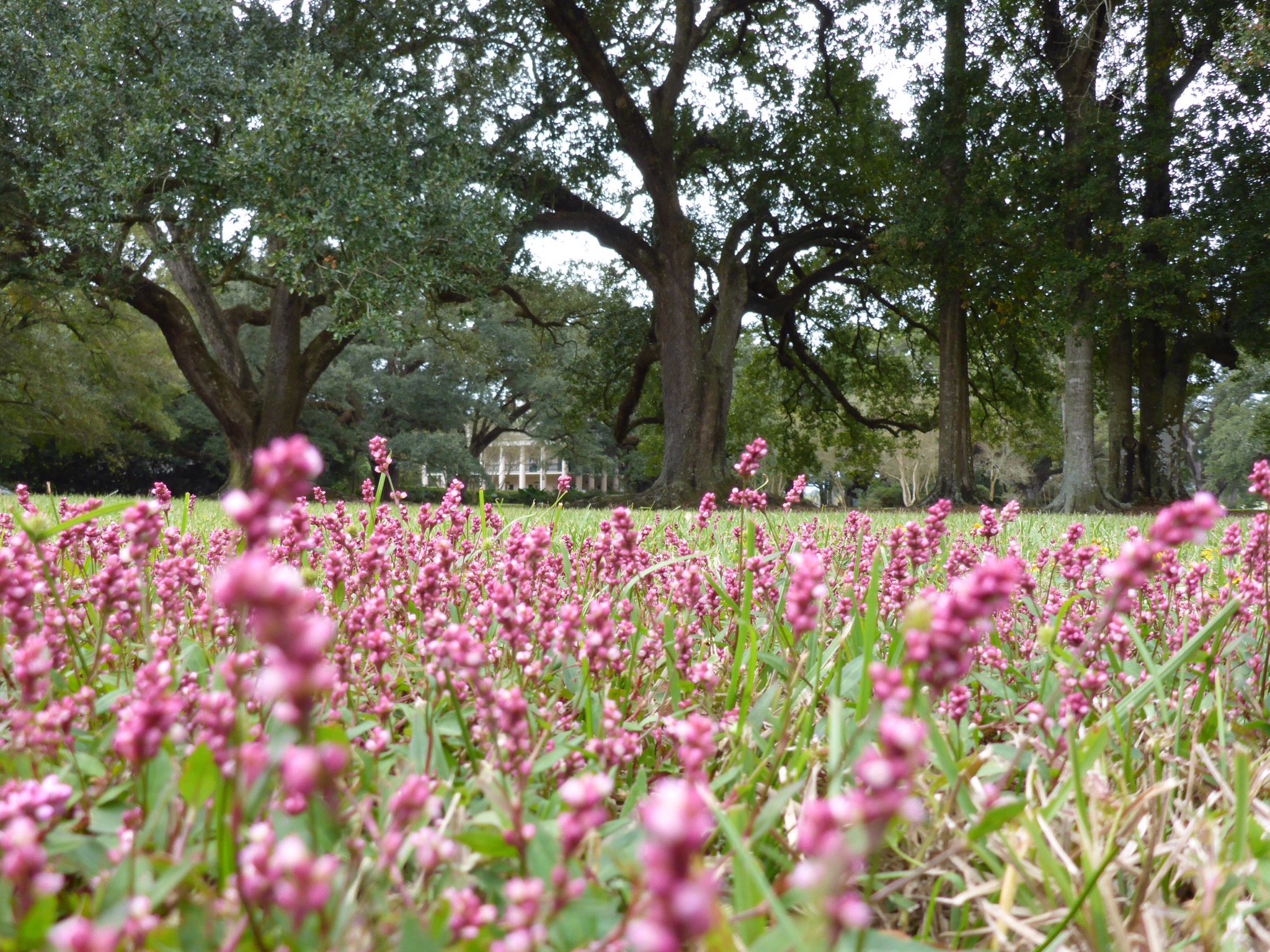
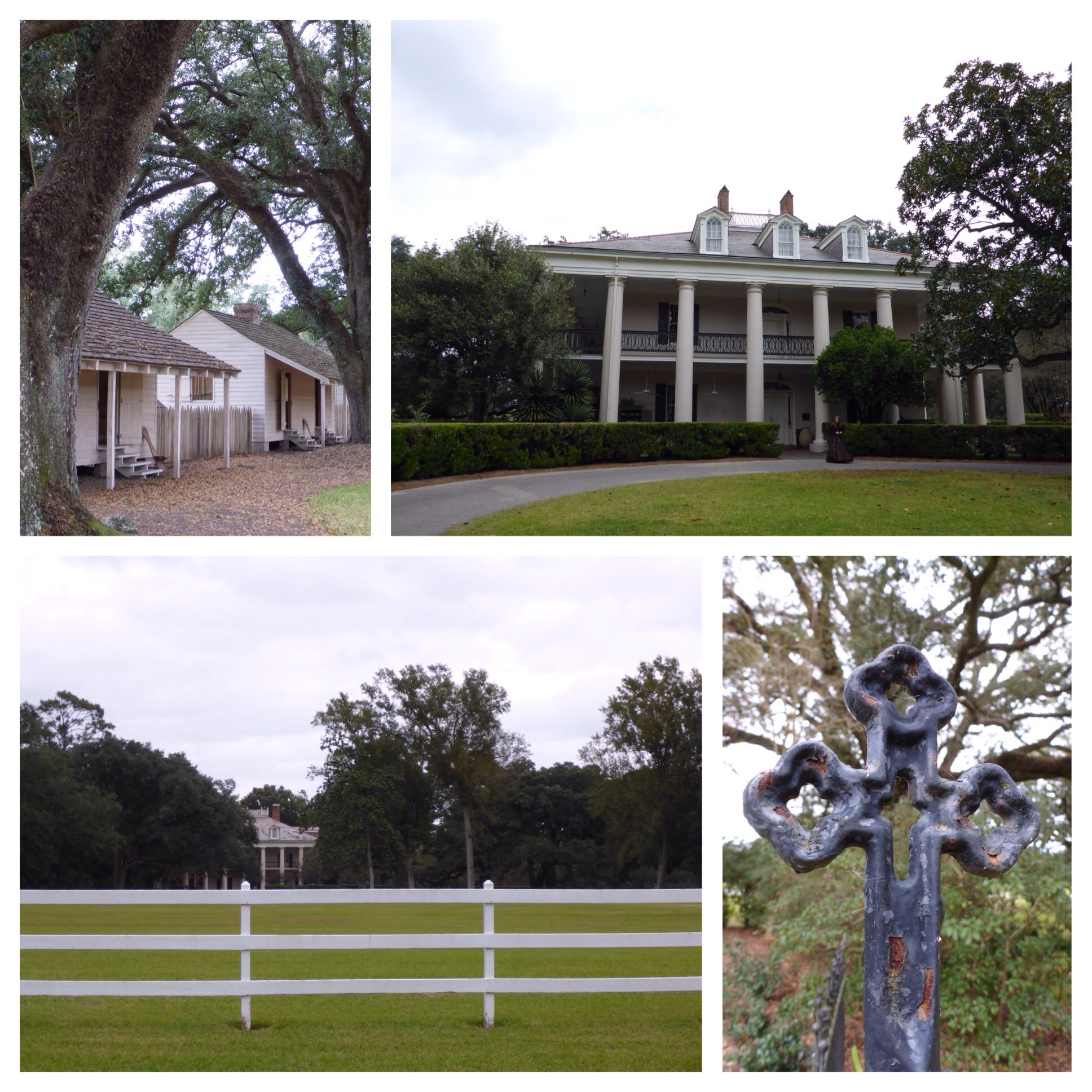
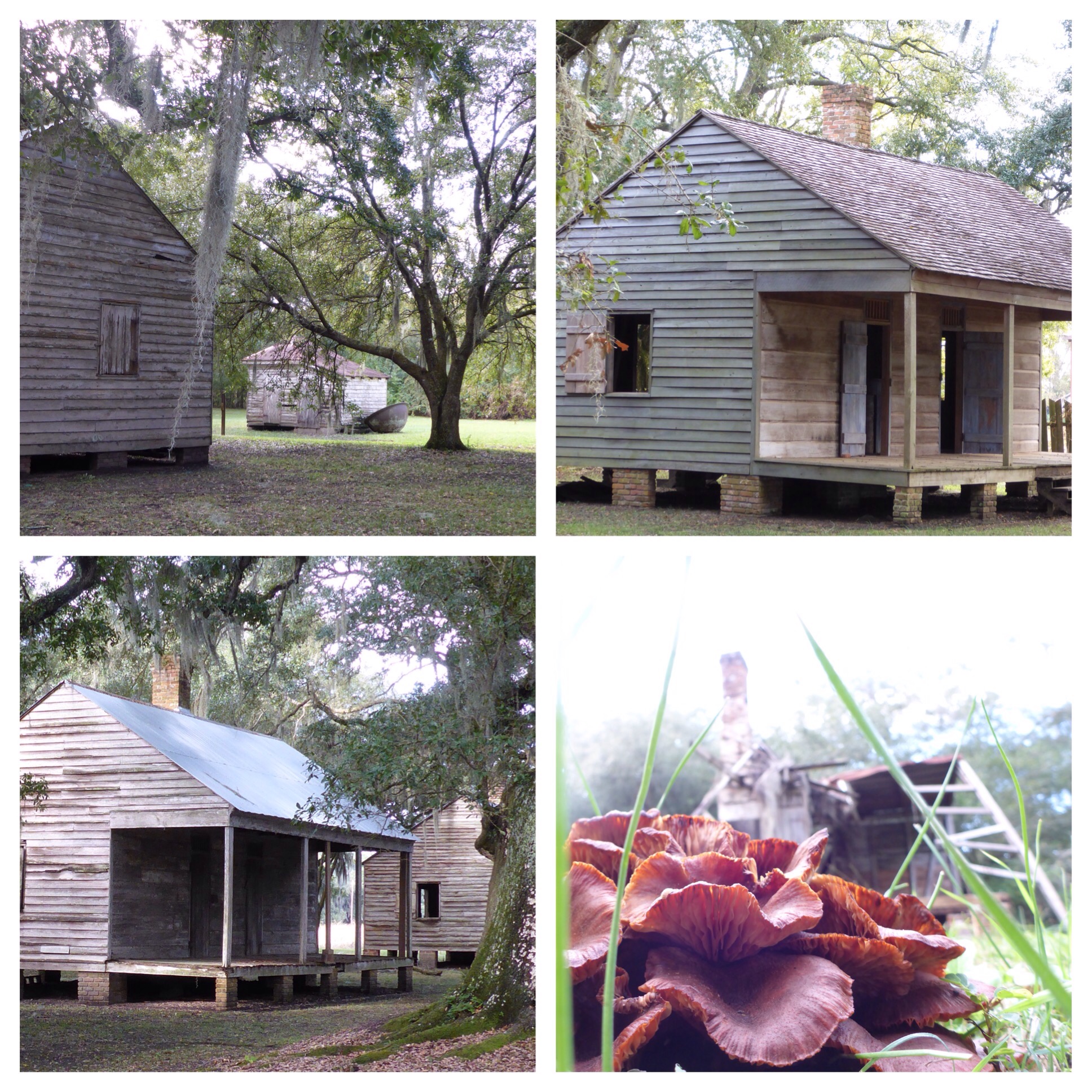
The main reason to visit the Evergreen Plantation is for the 22 slave cabins. This plantation has two awesome oak alleys in the back, and one of the oak alleys throws shade over the multiple slave quarters. These buildings are in various states of repair and are majestic to behold.
Tag Archives: Louisiana
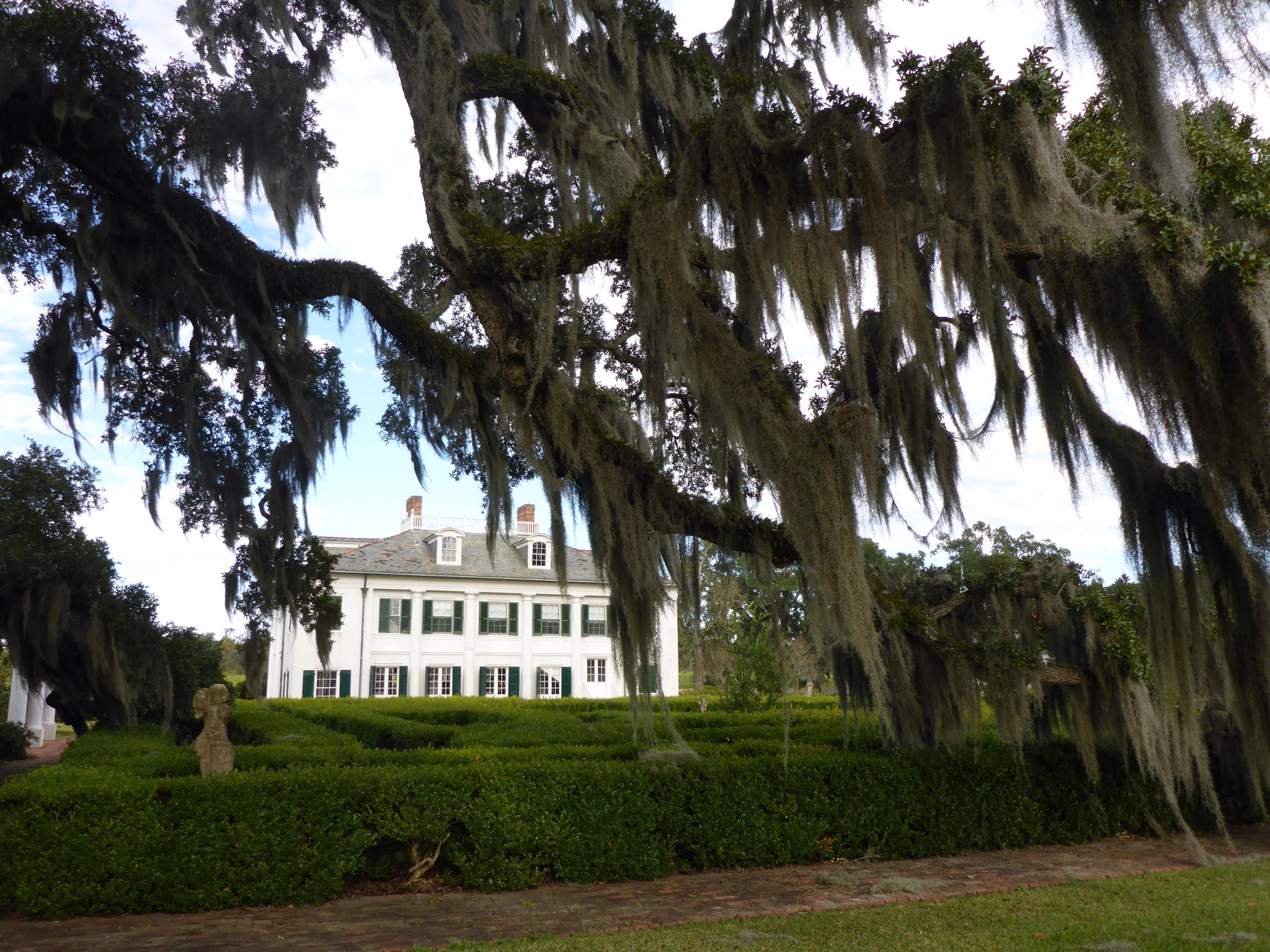
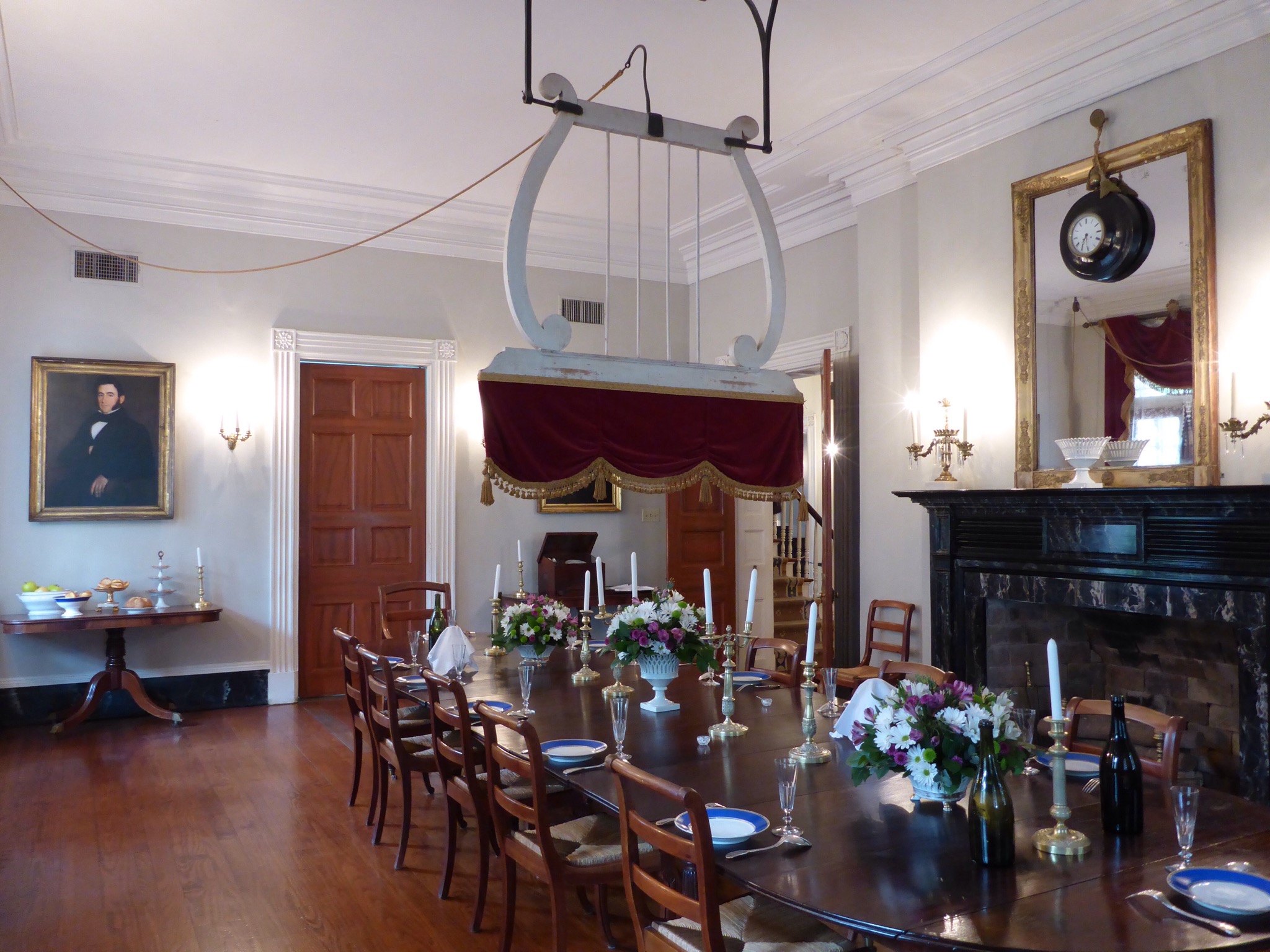
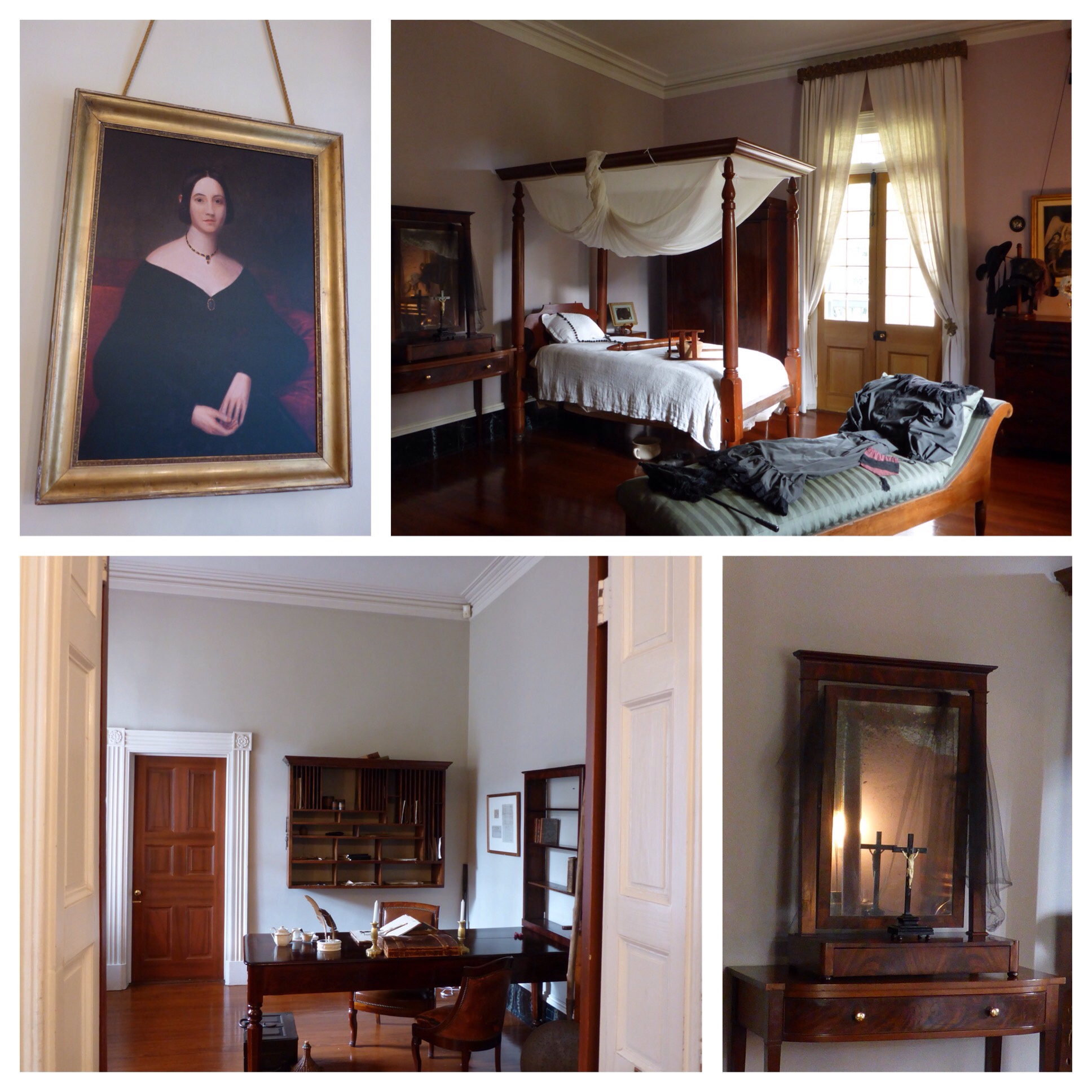
Evergreen Plantation – Big House
The Evergreen Plantation was on my list for today. It is a privately owned, working sugarcane plantation, so you must stick to the tour and don’t have as much free access as at other plantations. The walk into the home is beautiful, and it is a special treat to climb the front stairway.
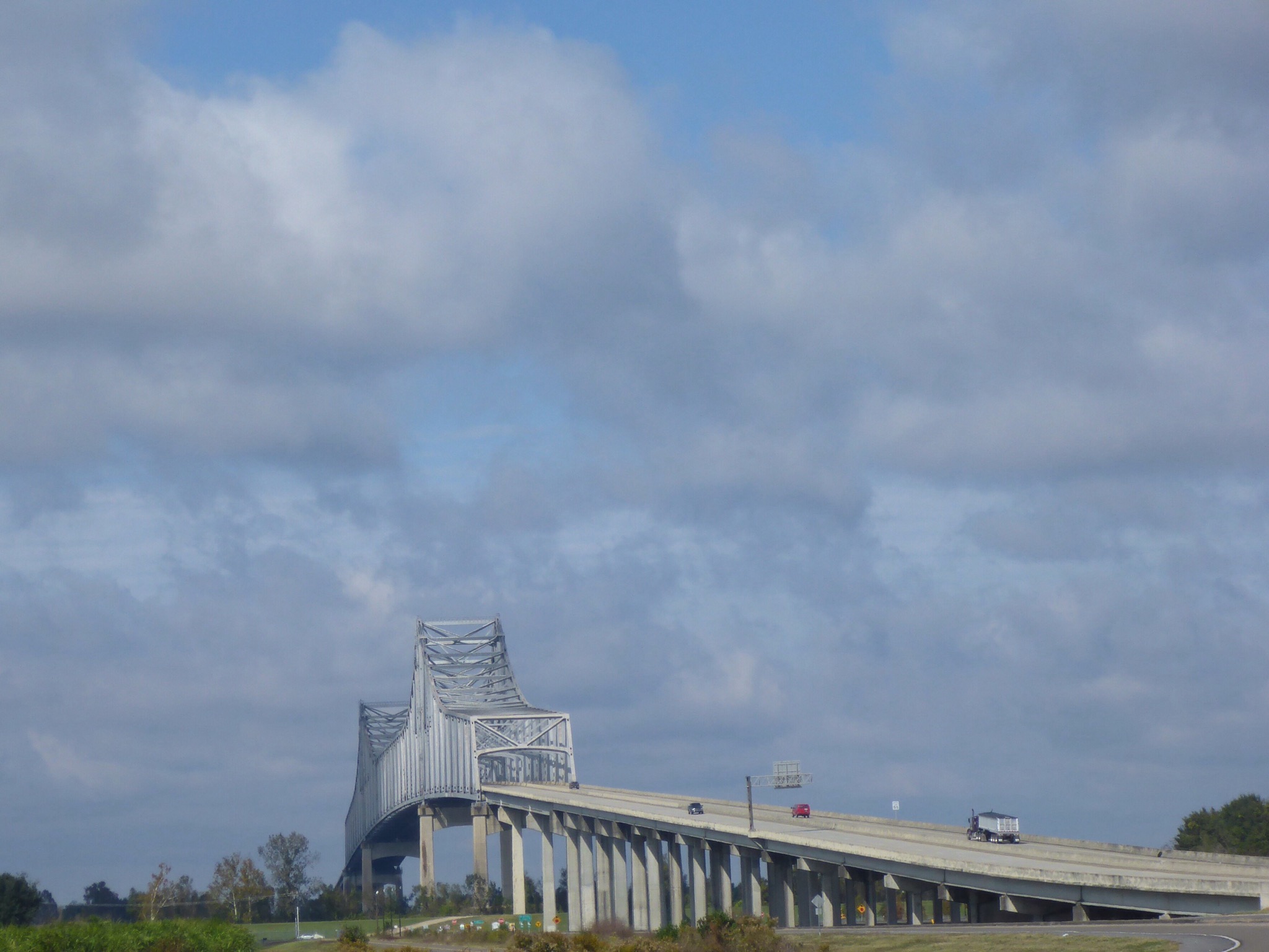
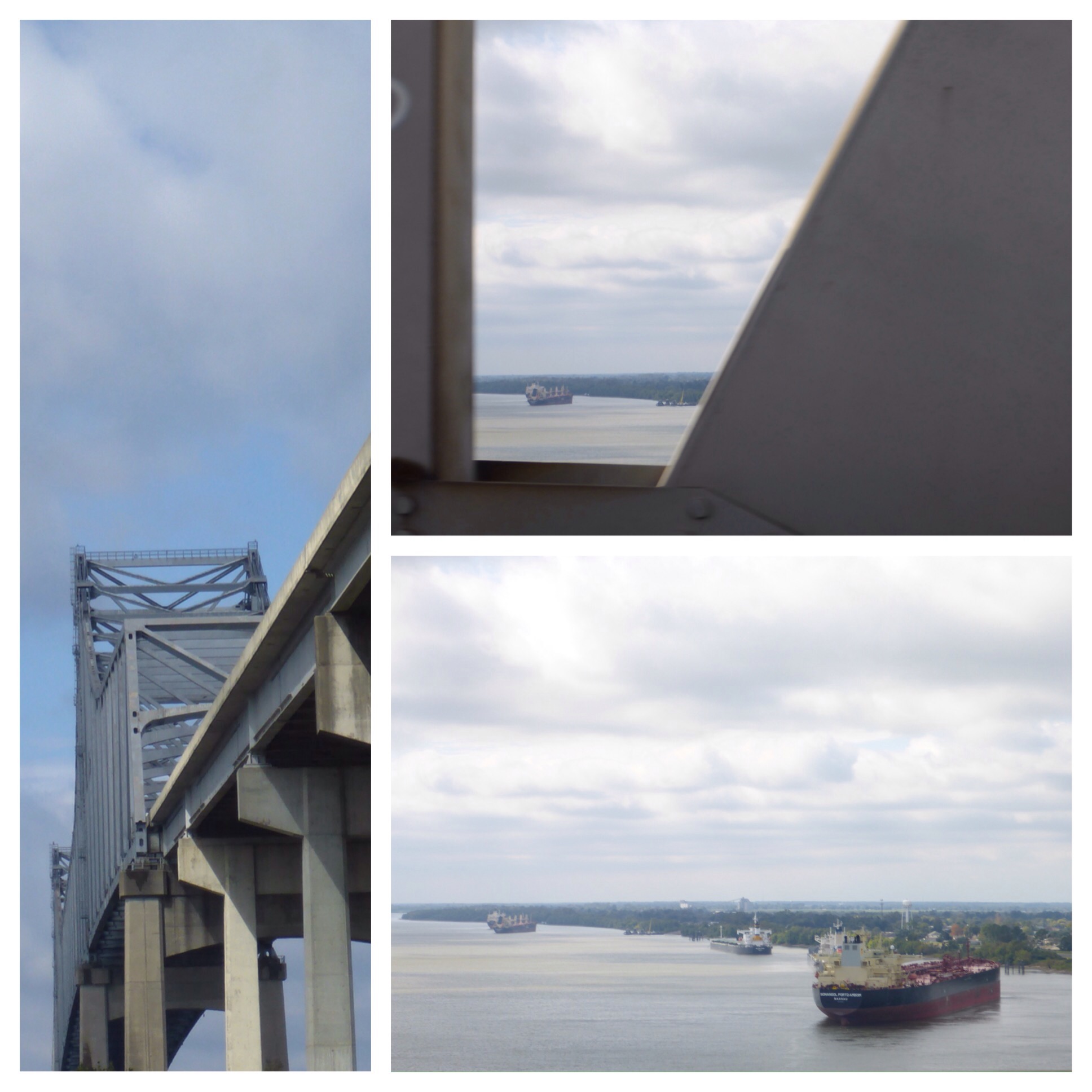
Gramercy Bridge
So how do you get across the Mississippi River, you might ask? Well, this is how I have been doing it for the past few days. 🙂
The Chimes
This place is busy, efficient, and awesome. My dinner tonight – a cup of seafood gumbo, a plate of crawfish étouffée, and cheesecake for dessert. I’m glad I skipped lunch today so I would have room for all that goodness.
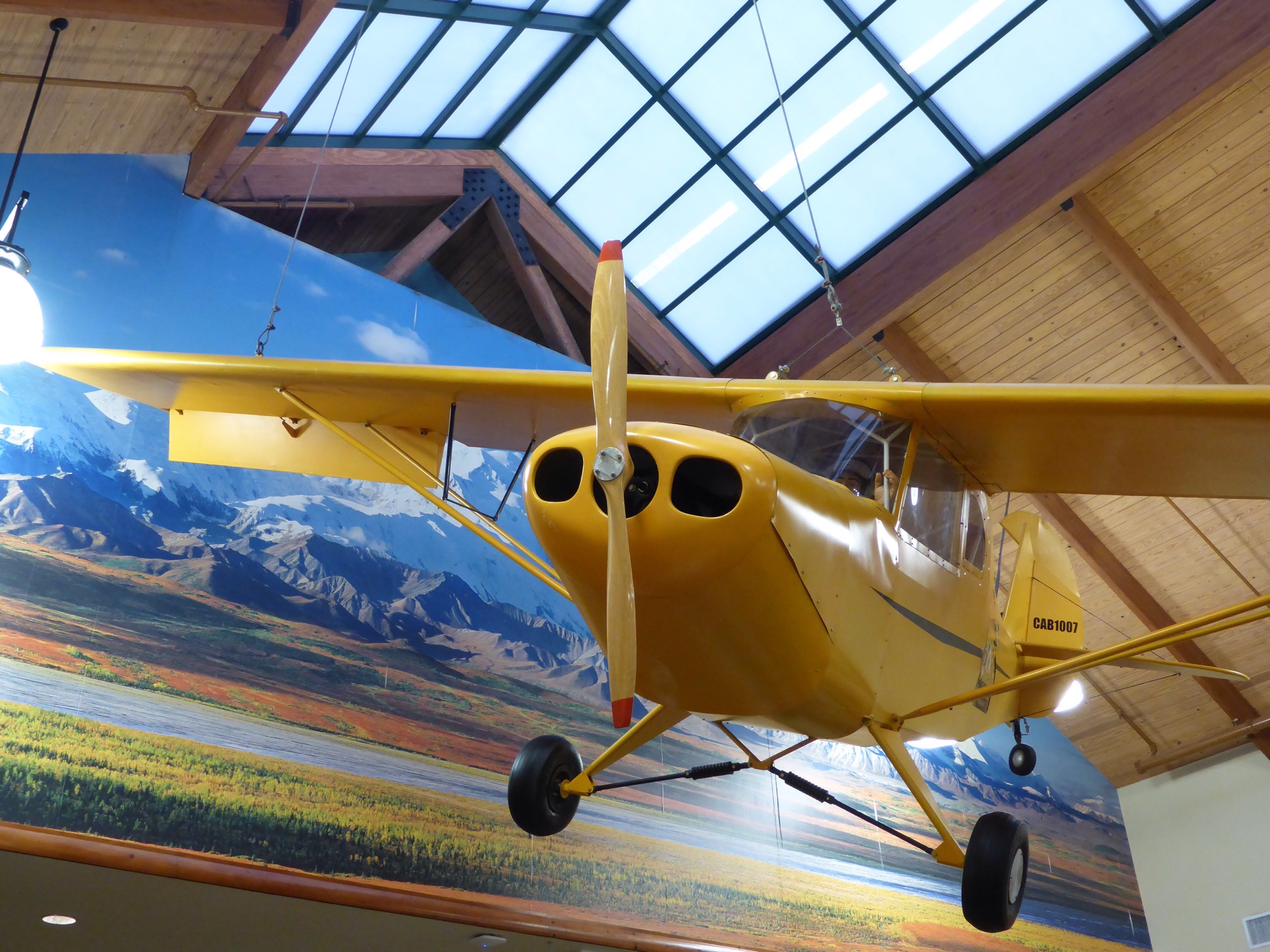
Cabela’s
If you are going to build a Cabela’s store in Gonzales, Louisiana, why not hang a replica of an airplane along with some stuffed alligators, nutria, mountain lions, polar bears, and other random critters?
Oak Alley Plantation – Rose Garden
Oak Alley Plantation – The Property
Oak Alley Plantation – Mississippi River
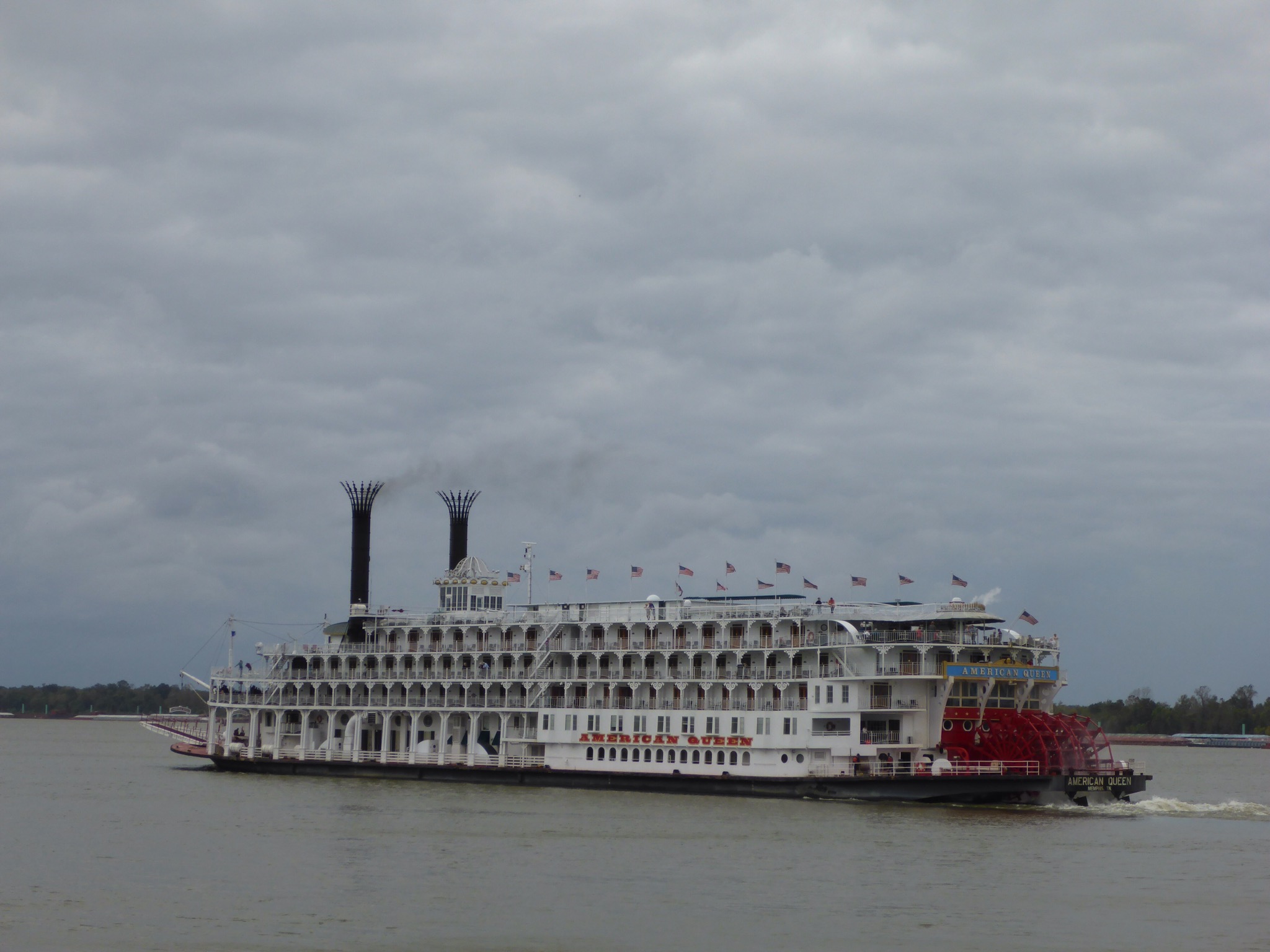
The Oak Alley Plantation is just across the levee for the Mississippi River. I hopped the plantation fence at the end of the Oak Alley and climbed up the levee to be rewarded with a view of the American Queen Riverboat making its way up the river. Maybe someday I will try a riverboat trip on the Mississippi.
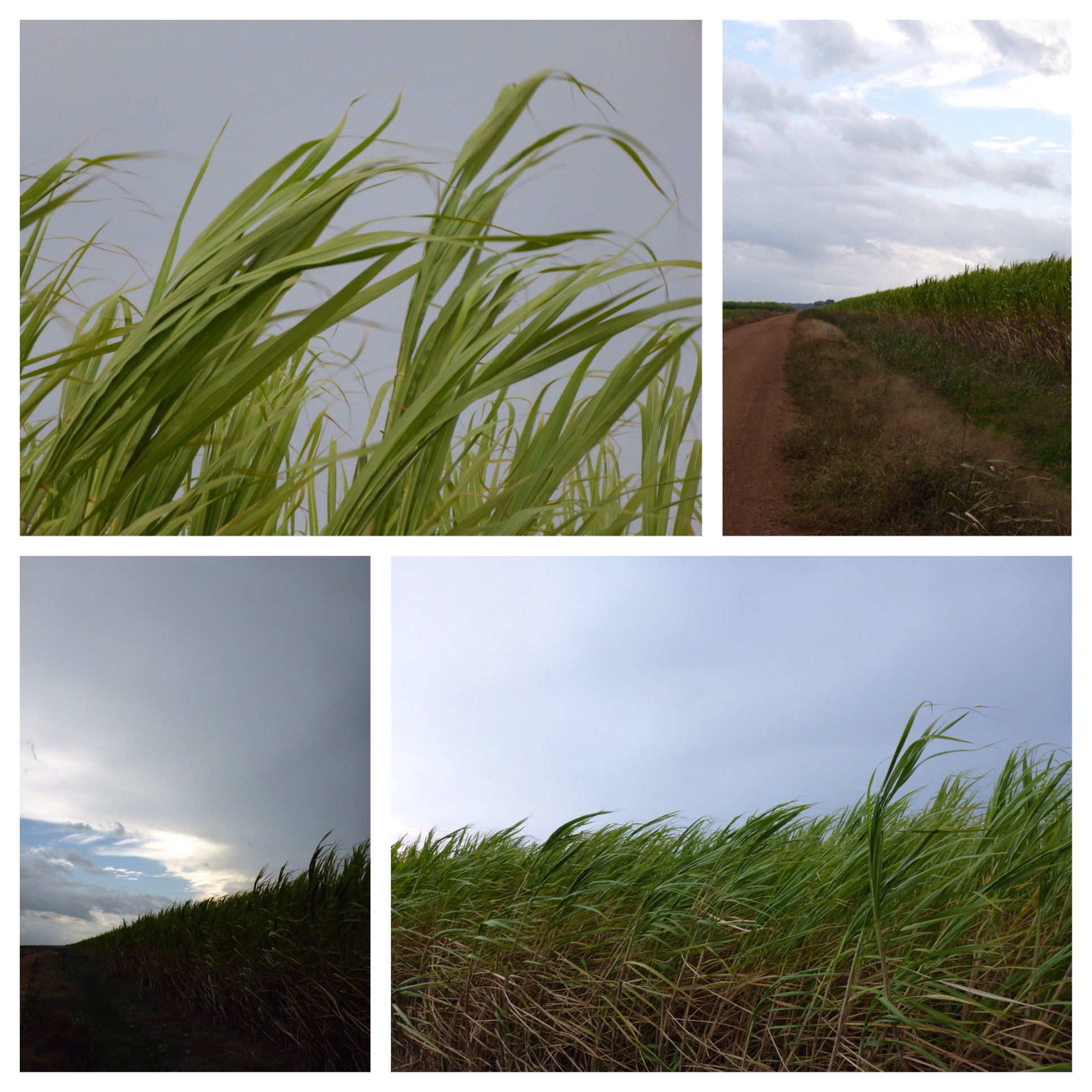
Oak Alley Plantation – Sugarcane
Oak Alley Plantation – Big House Interior
There is a tour of the Big House at Oak Alley Plantation that is extremely informative. All of the tour guides dress up in costumes from the time that the plantation was in operation. The original owners were Jacques and Celina Roman, and they obtained the property and built the house in 1836 with the intention to profit off of the sugarcane crop. They used slaves for labor and relied on the Mississippi River for transporting the crops and cane sugar to market.